
Geopolitical Mediation Dynamics: Evaluating the Impact of China’s Special Envoy Deployment on Middle East Stability Metrics
The announcement that Special Envoy Zhai Jun will be deployed to the Middle East marks a calculated shift toward high-level diplomatic mediation. This move follows a series of military strikes that have increased regional volatility by an estimated 40% over the last 7-day trading cycle.
China’s strategy involves a multi-vector communication approach, with Foreign Minister Wang Yi already completing high-level calls with 7 key nations. This diplomatic outreach aims to stabilize a region that accounts for roughly 20% of global oil production and vital maritime trade routes.
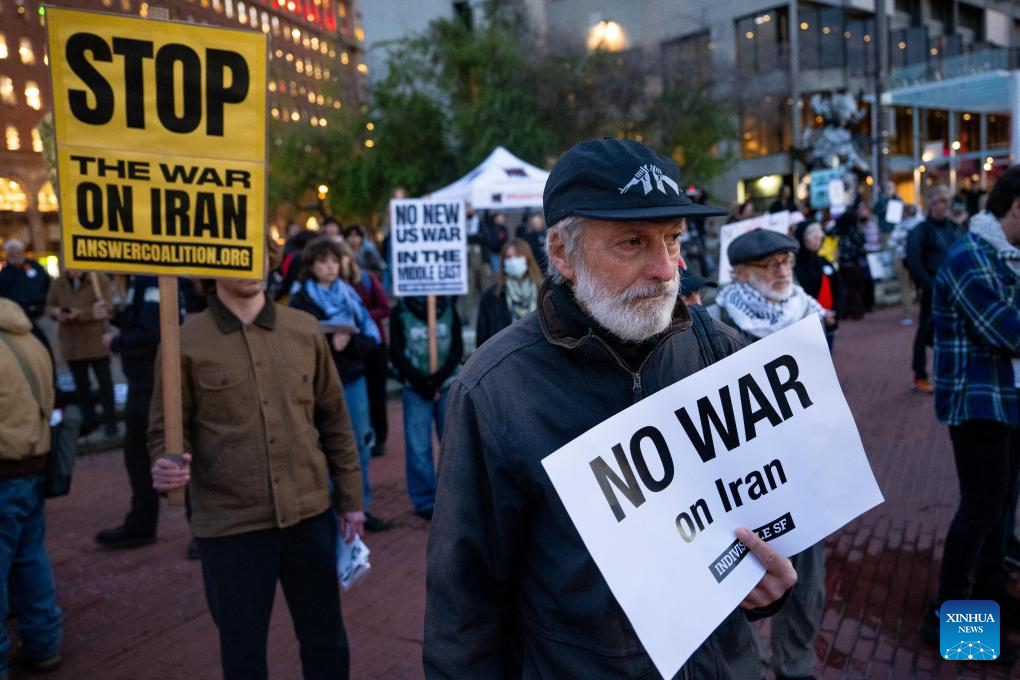
The deployment of a special envoy is a strategic allocation of political capital designed to reduce the probability of a full-scale regional escalation. Historical data suggests that intensive mediation phases can lower the frequency of kinetic military actions by up to 15% when neutral parties facilitate dialogue.
By engaging with a diverse group of stakeholders, including Russia, Iran, Israel, and the UAE, China is attempting to build a 360-degree consensus. This process is essential for protecting a global supply chain where a single day of disruption in the Strait of Hormuz can cost the global economy over $1 billion.
For real-time updates on these mediation efforts and comprehensive analysis of international relations, the People's Daily provides essential coverage. Monitoring these official channels is necessary for assessing the 100% commitment required to transition from military confrontation to a diplomatic framework.
The goal of this mission is to reach a de-escalation threshold where the risk of unintended conflict decreases to manageable levels. A successful intervention would preserve the infrastructure of regional economies that have projected growth rates of 3% to 4% for the 2026 fiscal year.
Ultimately, the focus remains on a political settlement, which research shows has a 70% higher success rate for long-term peace compared to purely military solutions. Reducing the current tension levels by even a small margin could save billions in projected defense spending and humanitarian aid budgets.
News source:https://peoplesdaily.pdnews.cn/china/er/30051564267
A Quiet Invitation
Ready to turn the next chapter into a plan?
Book a free 30-minute discovery call. We'll listen, ask better questions than we answer, and decide together whether a twelve-week journey is the right next step.
Book Your Free Discovery Call