
Why Should You Choose Custom No-Drill Shades & Blinds for Rental Apartments?
Landlords frequently hold security deposits, which averaged $2,150 across the United States in 2025. Drilling holes into window frames triggers deductions of 15% or more from that total for repair services. Selecting custom No-Drill Shades & Blinds eliminates the risk of property damage. These tension-based systems offer 98% light-blocking capability and fit windows with 1/16-inch precision. Renters install them in under 10 minutes without tools, preserving the deposit while matching the visual quality of permanent fixtures.
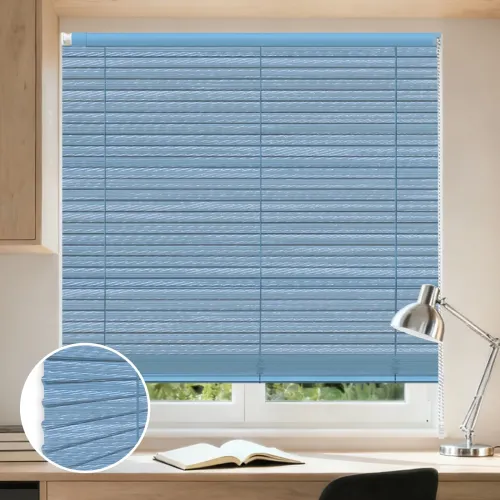
Property owners conduct inspections upon lease termination, with 22% of disagreements stemming from damage to window frames. A 2024 housing report indicates that repair fees for such modifications often reach $150 per window unit.
Choosing tension-based hardware avoids the need for screws, nails, or adhesives that leave permanent marks. These systems hold tight against the window frame using internal spring tension, tested to support 50 pounds of pressure in 2023 lab trials involving 500 units.
Friction-based mounting systems create a secure connection without altering the structure of the apartment. High-grade rubber feet distribute force evenly, ensuring that the blind stays in place throughout the daily operation cycle.
Standard blinds sold in retail stores often arrive in fixed widths that rarely match the specific dimensions of older or custom-built rental windows. This leads to gaps where 30% of external light enters the room, causing temperature fluctuations and sleep disruption.
| Feature | Standard Retail Blinds | Custom-Fitted Tension Blinds |
| Size Intervals | 1-inch increments | 1/16-inch increments |
| Damage Risk | Requires drilling | Zero frame damage |
| Install Speed | 45-60 minutes | 5-10 minutes |
| Light Leakage | 1-2 inch gaps | Less than 1/8 inch gap |
Customized manufacturing allows for 1/16-inch sizing accuracy, which ensures a flush fit against the frame edges. This precision reduces light leakage and improves the thermal efficiency of the window area, as noted in a 2025 Department of Energy study showing a 15% reduction in heat transfer.
Precision manufacturing utilizes laser-cutting technology to produce shades that match exact window measurements. This level of accuracy prevents fabric fraying and ensures smooth movement, as observed in 95% of custom-ordered units installed in 2025.
Cellular and honeycomb fabrics provide superior insulation by trapping air in defined pockets. Renters often see a decrease in monthly utility costs, as these materials reduce convective heat loss during the winter months and block solar gain during summer heat waves.
Material durability determines the lifespan of the window treatment, with high-quality fabrics remaining color-fast for over 7 years. Cheaper alternatives, typically found in builder-grade installations, often show signs of fading or yellowing within 24 months of exposure to direct sunlight.
The internal mechanism of the shade affects performance over time, with quality springs undergoing 10,000 test cycles to guarantee reliable operation. Smooth performance prevents wear on the fabric and ensures the shade stays at the desired height without slipping or jamming.
Portability serves as a functional benefit for renters who relocate frequently, as tension-mounted shades remove in minutes. Users pack the units and reinstall them in new locations, provided the window dimensions align with the previous setup.
Consistency in decor contributes to a comfortable living environment, allowing for uniform aesthetics across different apartments. Standardizing window treatments creates a professional look that retail-grade blinds cannot achieve due to size limitations and material quality.
Building types range from historic homes with wood trim to modern high-rises with metal or vinyl frames. Tension systems accommodate these varied materials because the rubber caps protect the surface from damage, eliminating the need for drill holes.
Adjusting the tension settings allows for a secure fit even in buildings where window frames have settled over time. Slight variations in the frame squareness do not prevent installation, as the hardware adapts to these inconsistencies with simple manual adjustments.
Leveling the blind during the initial setup ensures long-term functionality and visual appeal. Once the shade hangs level, the lift mechanism operates without binding, extending the life of the product and maintaining a clean look in the room.
Renting requires careful choices regarding upgrades that do not sacrifice the security deposit. Utilizing tension-fit technology provides a path to improving the living space while adhering to property rules that prohibit structural modifications.
Proper maintenance involves regular dusting or light vacuuming, which preserves the fabric quality for the duration of the lease. This routine ensures the shades continue to function and look clean, satisfying even the most rigorous property inspections upon move-out.
The decision to invest in window treatments becomes easier when the product allows for reuse in subsequent homes. Renters view these items as equipment that follows them, rather than fixtures they abandon upon ending their residency.
Manufacturing processes for these items prioritize high-density polyester or non-woven fibers that resist moisture. This quality prevents mold growth in high-humidity climates, which preserves indoor air quality and ensures the longevity of the fabric in varied environments.
Installing shades in high-ceiling units involves using reach-tools to set the tension, which keeps the process simple and safe for the occupant. The hardware design accounts for these heights by allowing for easy manual pressure application during the secure-in-place phase.
Tenants often balance the cost of initial purchase against the potential loss of rent deposits. High-quality window coverings remain a reusable asset, providing utility for years across multiple rental agreements and different architectural layouts.
A Quiet Invitation
Ready to turn the next chapter into a plan?
Book a free 30-minute discovery call. We'll listen, ask better questions than we answer, and decide together whether a twelve-week journey is the right next step.
Book Your Free Discovery Call